When people first walk through the doors of The PEMA for rehabilitation, they may not yet believe their lives can change. Some arrive after conflict with the law. Some have lost relationships, opportunities and the trust of their families.
Some have been judged or rejected by society. And many do not, at first, recognise substance use as the source of what is happening in their lives. But beneath the denial, shame and hurt, Tshering Peldon, a Rehab Counsellor at The PEMA, often sees hope.
“We know there is one string of hope within them, which we need to ignite together,” she says.
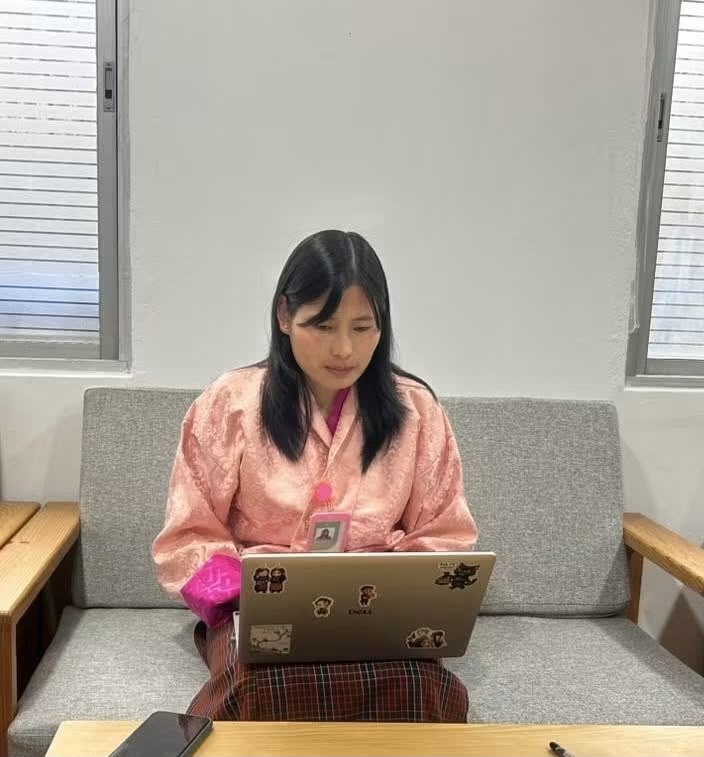
Tshering joined The PEMA in 2025 after four years as a school counsellor. Here, she works with people at different stages of recovery, helping them understand not only their substance use but also the emotions, relationships and circumstances that may lie behind it.
Through counselling, young people begin to talk about what lies beneath their substance use: loneliness, guilt, shame, family conflict, childhood experiences, peer influence and difficulty coping with emotions.
One young client she worked with was just 14. Peer influence and curiosity had drawn him towards substance use, and his parents’ separation had also taken its toll. Through weekly counselling, he gradually came to understand the consequences of his actions and, more importantly, his own value.
Another young person came to The PEMA with a strained relationship with his family. At first, he was rebellious and unwilling to listen. Family sessions gave him and his family the space to speak openly about their expectations, difficulties and hurts. Slowly, communication returned. Trust began to be rebuilt.
For Tshering, these small changes are signs that healing has begun.
“It starts when they begin opening up,” she says. “They start sharing their internal struggles and family issues. Help-seeking behaviour begins to appear.”
Other signs may seem ordinary: taking part in activities, exercising regularly, praying, following a routine, or beginning to make plans for the future.
A young person who once had no interest in studies may start thinking about returning to school. Someone who dropped out and felt there was no future may begin setting goals for the next six months. The change does not happen overnight.
The PEMA uses a Therapeutic Community approach, in which recovery is supported not only by counsellors but also by peers. Young people learn to take responsibility for their behaviour, support one another and grow together. They also learn how to cope.
“Substance use can become a way of coping with loneliness, guilt and shame,” Tshering explains. “So we teach emotional regulation, stress management and anger management.”
The goal is not simply to tell someone to stop using substances. It is to help them develop healthier ways of living when life becomes difficult. And when there are setbacks, the door does not close. The PEMA remains open.
Tshering says a person can return for assessment and treatment. They can work with another counsellor if they are not comfortable with the first. Support is also becoming more accessible through counsellors and services in hospitals and schools across the country.
The PEMA Rehabilitation Centre is a gift from Her Majesty The Gyaltsuen, created so that those struggling with substance use can access treatment and support without the barrier of cost. “The fact that recovery is open to everyone makes it more meaningful.”
Tshering sees what that means in the lives of the people who come through its doors. Many come from humble backgrounds, and without The PEMA, she believes, rehabilitation might have been out of reach for some of them.
Her Majesty’s concern for the growing challenge of substance use is also reflected in The PEMA’s wider work to strengthen access to support across the country, including building the capacity of Substance Use Disorder Units.
She has seen people return to their lives after rehabilitation, going back to work, earning a living and rebuilding relationships. She has also worked alongside recovery coaches who have lived through addiction themselves and have remained in recovery for many years.
They are living proof, she says, that recovery is possible. But recovery does not belong to one person alone.
“Substance use is not an individual problem,” Tshering says. “It is a family disease.” Families, too, may need to learn how to communicate, set boundaries, rebuild trust and balance love with responsibility. Sometimes, one family member becomes the person who refuses to give up.
“For a client, even if there is one person in their family who is not willing to give up on them, that matters.”
That belief lies at the heart of Tshering’s own work.
“No matter how damaged someone is, or how far they have fallen, they can always come back. Everyone has their own pace. It takes time and effort, but you can change.”
Note: Story and picture shared with permission.
If you are struggling, you are not alone.
Call us at our toll free number 1098 or reach us at 17123239 via WhatsApp and telegram.